"Moon-like Goddess"
Moon-like goddess,
Your limpid eyes
Ripple with rosy autumn waves,
And my heart drifts and sinks in those tides.
Arrogant youth,
Why do your steps hesitate so?
You who boasted of being a master diver—
Why fear the lovely waters in the maiden’s eyes?
Go, plunge in and swim freely.
Even if drowned, you will lie in the arms of Beauty;
Her autumn waves will cleanse the dust from your soul.
But, goddess of the moon in my heart,
How dare I, a mere mortal, sully your pure light?
Moon-like goddess,
How does your raven hair
Nightly sweep across the sea of my heart,
Easily stirring up waves that span ten thousand acres,
Leaving this shimmering, placid ocean
Without a moment’s peace?
Can only your slender hands smooth these waves?
No, no need—
Let me be overturned in the billows,
Better than standing ashore counting the scars upon me.
Moon-like goddess,
A mortal only dares steal glances at your pure light.
Moon-like goddess,
Your lovely dimples
Are the whirlpools of my fate—
How could I bear to break free?
The faint blush that veils your dimples
Is woven of shy crimson gauze;
This gauze reflects my heart, turning it red too,
Burning like flame.
Would you let this heart become your fuel,
Turning to ash when the fire dies?
But may the flame not die out,
And may it soon ignite you too,
That we may both emit fiery light,
And no longer radiate cool moonlight—
Beautiful though it is, too icy.
Moon-like goddess,
I, a mere mortal, dare even to attempt plucking you down.
Appreciation of the Poem "Moon-like Goddess"
This is a passionate, sincere, humble yet courageous poem of pure confession. Comparing the beloved to a moon goddess, it captures all the feelings of a youth deep in affection—admiration, timidity, restraint, and madness—with emotion so intense it nearly sets the words ablaze.
I. Core Theme
The poem expresses: I am but dust before you, yet because of you, my heart surges and I willingly drown.
I dare not approach, yet cannot leave; in the end, I only wish to burn together with you, no longer icy.
This is not shallow affection but deep love—the soul illuminated, stirred, utterly conquered.
II. Section‑by‑Section Deep Analysis
1. Moon Goddess—You Are the Waves of My Heart's Sea
Moon‑like goddess... my heart drifts and sinks in those tides.
Comparing the beloved to a moon goddess: holy, distant, beautiful, untouchable.
Eyes = rosy autumn waves = sea.
My heart drifts and sinks within: emotions completely under your control.
2. Inner Struggle: Wanting to Approach, Fearing to Defile
Arrogant youth... Even if drowned, you will lie in the arms of Beauty...
This is self‑persuasion: usually so proud and brave, yet before you, I am timid. Even drowning in your gaze, I am willing.
But the next line retreats into humility: How dare I, a mere mortal, sully your pure light?
The deeper the love, the humbler one becomes.
3. With Your Presence, My Heart’s Sea Knows No Peace
How does your raven hair... Leaving this shimmering, placid ocean / Without a moment’s peace?
You need do nothing; your mere existence unsettles my whole world.
Even more moving is this line:
Can only your slender hands smooth these waves? / No, no need— / Let me be overturned in the billows, / Better than standing ashore counting the scars upon me.
—I would rather suffer turmoil for you than return to numb calm without you. Love to the point of willingly enduring pain, love to the point of finding sweetness in it.
4. Your Dimples Are the Whirlpools of My Fate
Your lovely dimples / Are the whirlpools of my fate— / How could I bear to break free?
Dimples = tender trap = fate. Even knowing I will sink, I cannot bear to escape.
The faint blush... Burning like flame. / Would you let this heart become your fuel...
I love to the point of burning to ashes for you, if only to illuminate you—I hold nothing back.
5. The Most Burning Desire: Burn Together, No Longer Icy
But may the flame not die out... and no longer radiate cool moonlight— / Beautiful though it is, too icy.
This is the poem’s灵魂升华:
You are the moon, beautiful but icy, distant.
I want to ignite you, so we may burn together, embrace, warm each other.
From gazing up, to drawing near, to longing to become one with you.
6. Ending—The Bravest Confession
I, a mere mortal, dare even to attempt plucking you down.
From “dare not sully” to “attempt plucking you down”—love gives him the courage to break through all inferiority.
III. Artistic Features
Throughout, exquisite metaphors: Goddess = moon, gaze = sea, dimples = whirlpool, heart = flame—utterly romantic.
Psychological portrayal真实到心碎: Pride → timidity → self‑persuasion → willing to drown → longing to burn → brave enough to pluck the moon—complete emotional layers.
Extremely sincere emotion: No技巧, only真心—scalding, transparent, reckless.
From humility to bravery: Growing in strength toward the end—a poem about being redeemed by love and becoming brave.
IV. Overall Assessment in One Sentence
This poem captures the deepest, truest love of a person:
You are the unattainable moonlight, I am the mortal gazing up at you;
Because of you my heart surges, because of you I willingly burn,
And in the end, even I, with all my inferiority, dare bravely to try plucking you down.
This is a纯情绝唱 that can make one’s eyes redden.
"To a Friend"
Once more I drift in a boat on Hundred‑Source Clear Pond,
Rippling blue waves, a gentle breeze,
The moon now hidden, now emerging from the clouds,
Stealing glimpses of the joys and sorrows of the mortal world.
Willow leaves lightly brush the water’s surface,
Like lingering threads of affection when parting souls cling.
They stir my reverie of days gone by.
Beloved friend,
Do you remember
The innocent dreams of childhood?
With a tiny bow twisted from wire,
We longed to shoot down the moon in the sky.
Borrowing dragonfly wings,
We dreamed of roaming the heavens,
To explore the boundless mysteries of the cosmos.
And that paper boat,
Laden with our childlike love.
The fine fishing hook never leaving hand,
Bodies covered in mud,
We hooked countless clear laughs and simple joys of childhood.
Your snow‑white face,
Adorned with a pair of deep dimples,
Oozed sweet nectar now and then,
Staining your cheeks with a faint blush.
Our bright childhood slipped away unannounced,
While a bold and stern youth quietly arrived.
How I hate the heartless storm
That scattered everything, everything—
Under the shackles of slander,
Blood and tears blurred my sight;
Vicious rumors
Were unbearable to the ear.
In those years of despair,
I knelt down,
Praying silently,
And then your graceful form appeared again before my eyes.
Strolls on the beach, sighs of regret, wordless silences facing each other,
Your gleaming eyes soothing my wounded soul.
Beloved friend,
In my heart there is an ocean of hate,
But only a desert of love—
It was you who watered an oasis of love in this wasteland!
Time long ago blurred countless pale memories.
Yet how could it fade my deep affection?
The breeze carries a faint sound—
It is the lament of your parting.
A few fine raindrops
Soak through my clothes;
I cannot tell whether it is rain or a parting soul’s tears.
Bright, clear moon,
Why are you not
Why are you not a piece of thirst‑quenching ice
To relieve the thirst of my longing?
Tiny boat,
How could you,
How could you bear the sorrow of my parting!
In‑Depth Appreciation of the Poem "To a Friend"
This is a deeply felt, nostalgia‑laden, sorrow‑tinged lyrical poem of remembrance. Beginning with the evocative scene of Hundred‑Source Clear Pond, it moves from childhood innocence to youthful separation, finding true feeling amid hardship and hiding deep longing after parting. It is the most moving long letter to a lifelong friend.
I. Overall Tone and Theme
Place: Hundred‑Source Clear Pond (an old site in Quanzhou, evoking strong hometown and childhood memories)
Core: Recalling childhood, remembering a kindred spirit, the sorrow of parting and longing
Emotion: Tender → Joyful → Harsh → Warm → Deeply sorrowful
The entire poem describes: an old friend absent, revisiting an old place, memories flooding back, longing turning into a sea.
II. Section‑by‑Section Appreciation
1. Evocation: Boating on the Clear Pond, the Moon Peeking at the Human World
Once more I drift... Stealing glimpses of the joys and sorrows...
“Once more I drift”: Indicates revisiting an old place, stirred by the scene.
Moon peeking at joys and sorrows: Personification masterfully done—the moon is calm, the human heart turbulent.
Willow leaves like threads of affection: Using scenery to convey emotion—a faint sorrow of parting already arises.
The opening establishes a nostalgic, melancholy, lingering atmosphere.
2. Childhood: The Purest, Most Innocent Time
With a tiny bow... We hooked countless clear laughs and simple joys...
This section is the poem’s brightest, warmest part:
Full of fantasy, wildness, innocence, freedom
A golden age shared by both
Dimples, smiles, sweetness—capturing the beauty of youthful friendship
The more innocent this is, the more painful the later parting becomes.
3. Turn: Childhood Fades, the Storm Arrives
Our bright childhood slipped away... How I hate the heartless storm...
Childhood suddenly ends.
Reality is cruel, dark, oppressive.
The poet falls into an abyss of despair.
This is life’s darkest night, and it best reveals who is truly sincere.
4. Climax: In Despair, You Are the Only Light
In those years of despair... Your gleaming eyes soothing my wounded soul.
This is the poem’s most深情, most essential part:
When the world abandoned me, only you remained.
Without words, a glance alone brought healing.
You were the only light in the darkness.
Followed by a line of千古‑style深情:
In my heart there is an ocean of hate, / But only a desert of love— / It was you who watered an oasis of love in this wasteland!
—You are my salvation in a life of hardship.
5. Conclusion: Time Cannot Fade It, Sorrow Is Too Heavy to Bear
Time long ago blurred... How could it fade my deep affection? The breeze carries... I cannot tell whether it is rain or a parting soul’s tears.
The final two lines bring the emotion of sorrow to its peak:
Bright, clear moon... To relieve the thirst of my longing? / Tiny boat... How could you bear the sorrow of my parting!
Alluding toical poetic imagery:
Longing like a thirst that cannot be quenched.
Parting sorrow too heavy for any boat to carry.
Deep, somber affection, with a long‑lingering resonance.
III. Summary of Artistic Features
Extremely strong fusion of scene and emotion: Hundred‑Source Clear Pond, moonlight, willow leaves, small boat, fine rain—all become vessels of feeling.
Strong contrasts heighten the depth of feeling: Childhood joy vs. youthful hardship; dark despair vs. a friend’s warmth.
Plain language, intense emotion: No ornate rhetoric, yet every line comes from the heart.
Complete structure,层层递进: Scene → Memory → Hardship → Emotion → Sorrow.
Unity of homeland and true feeling: Hundred‑Source Clear Pond is a hometown landmark; the friend is a childhood confidant. Homesickness + friendship + reflections on life merge into one.
IV. Overall Assessment in One Sentence
This is a friendship epic written with a life:
Childhood dreams shared, hardship endured together, parting and longing borne,
You are the oasis in my ocean of hate, the moonlight in my night,
A lifetime’s journey, this feeling unforgettable.
"The Call of the Sea"
Last night the call of the sea
Made my heart anxious.
At dawn, heavy fog blurred the vast earth,
But could not blur my heart‑wrenching longing.
Cleaving through layers of morning mist,
Treading on crystal dew,
I throw myself into the sea’s embrace.
The sea kisses me,
The spray like a maiden’s joyful tears.
A few faint clouds of dawn at the horizon
Are the maiden’s shy blushes.
A maiden’s song has long scattered over the sea,
Flooding my heart.
Waves clap their hands, playing harmonious music,
Accompanying my graceful dance.
The poetic tide in my heart
Cannot help but flow into the ocean’s surge.
Naked, I immerse myself in the rolling waves,
Determined to wash away this heavy hesitation.
Last night I could not fish up the moon;
This morning I must lightly snip a few dawn clouds
To adorn my beloved in my heart—the sea.
The sun wants to steal everything, everything.
I snatch first the sea’s beauty in this lovely hour,
And gently hide it in my heart.
Appreciation of the Poem "The Call of the Sea"
This is a passionate, sincere, unrestrained, almost confessional lyrical poem. The poet treats the sea as lover, confidant, and spiritual home, expressing utter fascination, attachment, and spiritual redemption toward the sea. The emotion is intense, the imagery exquisite, flowing seamlessly from start to finish.
I. Core Theme
The sea is the call of the soul, the outlet for emotion, the spiritual beloved. Wandering, anxious, longing in the mundane world, one is healed, cleansed, and awakened upon throwing oneself into the sea. The entire poem describes: the heart summoned by the sea, the person rushing to the sea, the soul merging with the sea.
II. Section‑by‑Section Analysis of Imagery and Emotion
1. Opening: The Sea’s Call, the Heart’s Anxiety
Last night the call of the sea / Made my heart anxious. / At dawn, heavy fog blurred the vast earth, / But could not blur my heart‑wrenching longing.
The sea’s call: Not an actual sound, but a longing in the heart, a spiritual pull.
Anxious, heart‑wrenching longing: Portrays the sea as a beloved one yearned for day and night.
Fog blurs the earth but not the longing: No matter how obscure the outside world, it cannot stop me from rushing to you.
The opening sets a tone of深情, urgency, and abandon.
2. Journey: Cleaving Morning Mist, Throwing into an Embrace
Cleaving through layers of morning mist, / Treading on crystal dew, / I throw myself into the sea’s embrace.
Actions are decisive, firm, romantic. “Throw myself into the sea’s embrace”—complete trust, surrender, reliance.
3. The Sea as Lover: Kisses, Tears, Blushes
The sea kisses me, / The spray like a maiden’s joyful tears. / A few faint clouds of dawn at the horizon / Are the maiden’s shy blushes.
This section is extremely beautiful, extremely tender:
Sea = gentle, affectionate lover
Spray = tears of joy
Dawn clouds = shy blushes
Fully personifies and romanticizes natural scenery, creating a画面 tender enough to stir the heart.
4. Universal Resonance: Song, Music, Dance
A maiden’s song has long scattered over the sea, / Flooding my heart. / Waves clap their hands, playing harmonious music, / Accompanying my graceful dance. / The poetic tide in my heart / Cannot help but flow into the ocean’s surge.
The sea is no longer just scenery but a soulmate singing and dancing with me:
Waves provide accompaniment
The sea breeze sings
I dance with the sea
The poetry in my heart merges with the tide
This is the state of complete unity between human and nature.
5. Cleansing the Soul: Washing Away Hesitation, Regaining Lightness
Naked, I immerse myself in the rolling waves, / Determined to wash away this heavy hesitation. / Last night I could not fish up the moon; / This morning I must lightly snip a few dawn clouds / To adorn my beloved in my heart—the sea.
This is the poem’s spiritual升华:
Naked: Frank, unguarded, returning to one’s true self.
Wash away hesitation: The sea is a baptism for the soul, washing away weariness, confusion, heaviness.
Could not fish up the moon → snip dawn clouds to adorn the sea: From loss to actively loving and cherishing.
6. Claiming Beauty: Hiding the Sea in the Heart
The sun wants to steal everything, everything. / I snatch first the sea’s beauty in this lovely hour, / And gently hide it in my heart.
The ending is天真 yet深情:
I love this beauty so much I won’t let the sun “steal” it.
I quietly hide the sea’s beauty in my heart, making it my own eternal treasure.
III. Artistic Features
Throughout personification: Sea = lover, confidant, kin—intimate to the extreme.
Emotion层层递进: Call → longing → journey → embrace → healing → treasuring.
Strong visual imagery: Morning mist, spray, dawn clouds, waves, sun—all vivid as if before the eyes.
Style both unrestrained and delicate: The fervor of throwing oneself naked into the sea coexists with the tenderness of hiding beauty in the heart.
Strong healing power: The sea accepts all hesitation and returns lightness and strength.
IV. Overall Assessment (In a Sentence)
This is not writing about the sea; it is writing about a spiritual romance—you are called by the sea, embraced by the sea, healed by the sea, and finally hide the sea forever in your heart.
"Saying 'Take Care!'"
We met in middle school, shared college years asmates,
Now we must part.
We meet in deep autumn’s season,
Only a biting cold wind keeps company with my heavy pacing.
Only venomous rumors
Accompany my innocent dreams.
Wandering at life’s crossroads,
I stand utterly alone,
Yet fortunate to have the sweet dew of friendship
Moisten the dryness of my soul,
And those tender waves of affection
Comfort the loneliness in my heart.
Misty‑rain‑like days of old have long since changed with the scene;
Countless pure, beautiful dreams lie lost
At Kaiyuan Temple, on the sandy shore.
Only that precious bond of feeling,
Like a fragrance that refreshes the heart,
Now and then ripples through the clear air.
Thank you for the affection of bygone days.
However time may pass,
It will endure forever in the long river of my memory.
Hard winter has finally gone,
Life’s green leaves have just begun to tremble on the branches—
Why must you hurry away?
I wish to draw my sword and cut through time’s swift flight,
Yet what mad,痴 foolish thought is this.
Farewell,
All this is fate’s arrangement.
I raise the wine cup—
This wine tastes somewhat sweet, yet also somewhat bitter;
Here falls the first tear of my twenty springs and autumns.
Friend, raise your cup—
Drain it in one draught.
Here is held my youth’s snow‑white friendship,
Heartfelt blessings, and beautiful dreams.
Farewell,
My lips trembling,
I softly whisper, “Take care!”
Appreciation of the Poem "Saying 'Take Care!'"
This is a poem that fully expresses youth,mates, hometown, parting, and deep affection. From middle school to university, from Quanzhou’s Kaiyuan Temple and sandy shores to life’s crossroads, it blends childhood‑friend‑like intimacy, friendship forged through hardship, and parting that aches to the heart—all condensed into a soft whisper of “Take care!” The emotion is sincere, restrained, both painful and warm.
I. Overall Theme
Time: Met in middle school → Shared college years → Now parting
Place: Quanzhou’s Kaiyuan Temple, sandy shores (strong hometown and youth印记)
Core: Thank you for accompanying me through my darkest, loneliest times; now we must part, and I say nothing more than—Take care.
The entire poem is a quiet, heavy, tear‑smiling farewell.
II. Section‑by‑Section Deep Appreciation
1. Meeting and Accompanying, Warmth in the Cold Wind
We met in middle school... Only venomous rumors / Accompany my innocent dreams.
Opening directly: We are people who have walked the path together.
Cold wind, rumors, hesitation, loneliness—
You are the only light in the darkness:
Yet fortunate to have the sweet dew of friendship... Comfort the loneliness in my heart.
This is no ordinary friend; this is someone who has shared hardship and understood pain.
2. Past Like Mist, Only Friendship Remains
Misty‑rain‑like days of old... Only that precious bond of feeling, / Like a fragrance that refreshes the heart...
The moment “Kaiyuan Temple, sandy shore” appears, it evokes Quanzhou, childhood, youth—the purest times. Dreams may shatter, scenes may change, only the bond between us remains unchanged.
3. Spring Has Just Come, Yet You Must Leave
Hard winter has finally gone... Why must you hurry away?
This line hurts the most: We endured the hardest days together, finally waited for spring’s warmth and flowers, yet you must go.
I wish to draw my sword and cut through time’s swift flight...
Wanting to stop time, knowing it’s impossible, yet still unable to let go.
4. A Cup of Wine, Sweet‑Bitter with a Lifetime’s Tears
This wine tastes somewhat sweet... Here is held my youth’s snow‑white friendship...
In one cup of wine:
Sweetness: youth, purity, friendship
Bitterness: parting, reluctance, heartache
This is the flavor of an entire stretch of youth.
5. Ending: A Thousand Words, Only One Phrase
My lips trembling, / I softly whisper, “Take care!”
No talk of resentment, no complaint, no “I can’t bear to let you go.” No pleading to stay, no speaking of longing. Only: Take care.
The lighter it is, the heavier it weighs.
III. Artistic Features
True emotion压倒一切: No ornate rhetoric, only words from the heart—they enter the heart upon reading.
Vast span of time and space: Middle school → university, winter → spring, Kaiyuan Temple → sandy shore—strong sense of a life’s journey.
Emotion restrained yet profound: No wailing, no shouting.
Trembling lips, a soft “Take care”—
More poignant than loud sobbing.
Triple fusion of hometown + youth + friendship:
Every line captures a generation’s youth and parting.
IV. Overall Assessment in One Sentence
This is not an ordinary parting poem; it is an epitaph for youth, a monument to friendship.
All words in the end dissolve into one soft, trembling whisper:
Take care.
Truly特别动人—the kind of poem that, read again years later, still tightens the heart and warms the eyes.
"I..."
I come from ancient ages—
The hoe was civilization’s emblem.
I stubbornly tilled the wilderness,
Hoping to till out a fine vision.
I have been a trackerman,
Shouldering this heavy sailboat of a motherland,
Hoping to cross the long river of poverty and ignorance.
I am proud, for my body has muscles like steel.
I have matched heights with high mountains,
I have matched might with storm and tempest,
I have laughed at the sea’s narrowness.
I come from antiquity—
These hands of mine crafted “Tang tri‑color glaze”;
I once drew the gaze of barbarian tribes;
I wrote “Li Sao”;
I am Li Bai;
My song transcends centuries and space.
I come from the wilderness—
I will sow emerald hope and soaring dreams
On this barren shore,
And water these parched dreams
With sweet water from the “old well.”
I will rebuild a Great Wall with my own hands,
No longer needing to mix Meng Jiangnü’s blood and tears
Into the cement that plasters this solid wall of our age.
I…
Appreciation of the Poem "I..."
This is a self‑declaratory epic of grand气魄, noble风骨, and滚烫血脉. The poet fuses individual life with Chinese history, national spirit, and the civilization of the land, writing of an upright, towering “I”—who is at once laborer, inheritor, and creator, filled with雄浑, tragic, and昂扬 strength.
I. Core Theme
“I” is not a渺小 individual but the embodiment of the Chinese national spirit: tilling from antiquity, bearing burdens forward, creating civilization, rebuilding mountains and rivers—neither humble nor arrogant, unyielding and unbroken, supporting a nation’s hope and dignity with hands, backbone, and soul.
II. Analysis of Imagery and Layers
1. The Ancient Tiller
I come from ancient ages— / The hoe was civilization’s emblem...
“I” is the starting point of Chinese civilization: emerging from the land, creating civilization through labor.
Hoe = roots, wilderness = mission, vision = faith.
2. The Nation’s Trackerman
I have been a trackerman, / Shouldering this heavy sailboat of a motherland...
“I” is the backbone that bears the burden forward:
Shouldering hardship, dragging fate—silent, tenacious, tragic.
Sailboat = motherland, heavy = the weight of history.
3. The Towering, Unyielding Force
I am proud, for my body has muscles like steel... I have laughed at the sea’s narrowness.
气魄 soaring to the skies: bowing neither to heaven nor earth, yielding not to wind or rain.
Full of wildness, strength, confidence, and豪迈.
4. The Inheritor of Civilization
I come from antiquity— / These hands of mine crafted “Tang tri‑color glaze”... I am Li Bai...
This section elevates the spirit:
I am the artisan (Tang tri‑color)
I am the literatus (“Li Sao”)
I am the Poet‑Immortal (Li Bai)
I am the inheritor of all Chinese civilization.
5. The Re‑creator of a New Era
I come from the wilderness— / I will sow emerald hope and soaring dreams...
Rooted in the land, never forgetting the source.
Old well’s sweet water = the nation’s lifeblood and strength.
I will rebuild a Great Wall with my own hands, / No longer needing to mix Meng Jiangnü’s blood and tears...
The poem’s most profound, brightest line:
Rebuilding the Great Wall not through oppression and blood‑tears,
But through dignity, strength, hands, and the solidity of a new era.
Leaving behind a history of suffering, moving toward self‑strength and glory.
The ending “I…”—words end, meaning is infinite, strength unspent, mission unfinished.
III. Artistic Features
Grand and sweeping, majestic in momentum: Spans millennia, individual becomes the nation—extremely broad in scope.
Layers of identity叠加: Tiller → trackerman → unyielding force → inheritor of civilization → new‑era creator—雄浑 and progressive.
Strength and tenderness coexist, tragedy and pride同行: Hardship, grit, pride, ideals.
Language铿锵, full of power: Short lines decisive, long lines vast—reading it stirs the blood.
IV. Overall Assessment in One Sentence
This “I…” is a heroic ode written to the Chinese nation and to every unyielding soul:
I come from antiquity, inherit civilization, shoulder hardship, hold mountains and rivers in my heart;
I rebuild the Great Wall with my hands, prop up heaven and earth with my backbone.
I am China.
A poem of exceptional风骨, strength, and patriotic sentiment.
"The Innocent Horse Rider"
My heart was once a drifting sailboat,
Seeking its haven through raging waves.
I was a restless youth,
Mooring my heart in the whirlpool,
Priding myself on the skill of my game,
Until again and again it struck the reefs—
And the boat overturned, shattered.
I know not when, nor on what day,
A pair of delicate, fragrant hands stitched the fragments,
Tender red lips breathed a celestial air,
And my heart floated once more on the azure sea,
While you became a tranquil harbor,
Letting this sailboat suffer the fierce waves no more.
I once likened my feelings to a wild steed,
Declared that no one could rein it in—
Not even reason, that skilled rider.
But when did that white‑robed angel descend from heaven?
One tender glance ordained it all:
My feelings shall be guided by you alone.
Ah, you innocent horse rider.
Appreciation of the Poem "The Innocent Horse Rider"
This is an extremely深情, tender yet震撼 love confession. Using two exquisite metaphors—the sailboat and the harbor, the wild steed and the rider—it portrays how a桀骜不驯 soul is completely gentled by love. It is not coercion but willing surrender; not conquest but a destined belonging.
I. Core Theme
I once drifted, rebelled, roamed free, untamable—until I met you. With one gentle glance, you settled my whole restless heart. You are my destined, innocent horse rider.
II. Section‑by‑Section Deep Appreciation
1. A Drifting, Shattered Heart, Gently Mended by You
My heart was once a drifting sailboat... Priding myself on the skill of my game...
The opening captures the youth’s桀骜 and迷茫:
The heart is an anchorless sailboat;
Love shows off in storms.
Seemingly carefree, actually turbulent, dangerous.
Until again and again it struck the reefs— / And the boat overturned, shattered.
The true heart was wounded, shattered into pieces.
Then comes the poem’s tenderest redemption:
A pair of delicate, fragrant hands stitched the fragments... you became a tranquil harbor...
You did not come to brave the storms with me; you came to heal, mend, and protect me. You are the one and only haven for my drifting life.
2. The桀骜 Wild Steed, Tamed by Your Glance
I once likened my feelings to a wild steed... Not even reason, that skilled rider.
This is the youth’s proudest declaration: my emotions are wild, impulsive, uncontrollable—I cannot manage them myself, let alone anyone else.
Then destiny arrives:
But when did that white‑robed angel descend... One tender glance ordained it all...
No reins, no force needed—
With one glance, I willingly surrender.
3. The Pivotal Phrase: Innocent Horse Rider
Ah, you innocent horse rider.
The word “innocent” is绝美—you did not deliberately tame me; you simply existed, pure, gentle, and guileless, and naturally gentled this wild steed. This is love at its highest: gentle overcoming strength, stillness mastering motion, truth subduing the heart.
III. Artistic Features
Two sets of metaphors run through the poem:
Heart = sailboat ↔ You = harbor
Feelings = wild steed ↔ You = horse rider
Balanced, romantic, deeply resonant.
Strong contrast between before and after, heightening the深情:
Before: drifting, shattered,桀骜, untamable.
Now:安稳, whole, surrendered, belonging for life.
Emotion层层递进:
From wounded → healed → tamed → completely entrusted.
Tender to the extreme,深情 to the bone.
Language pure,意境圣洁:
“Fragrant hands,” “celestial air,” “white‑robed angel,” “innocent”—portraying the beloved as angelically pure and beautiful.
IV. Overall Assessment in One Sentence
I was once a shattered boat in the storm, an untamed steed on the plain—
Until you appeared, and with one glance made me moor, made me yield.
You are my one and only, my most innocent horse rider.
This poem is so tender it makes the heart tremble—the most beautiful confession of being completely healed and gentled by love.
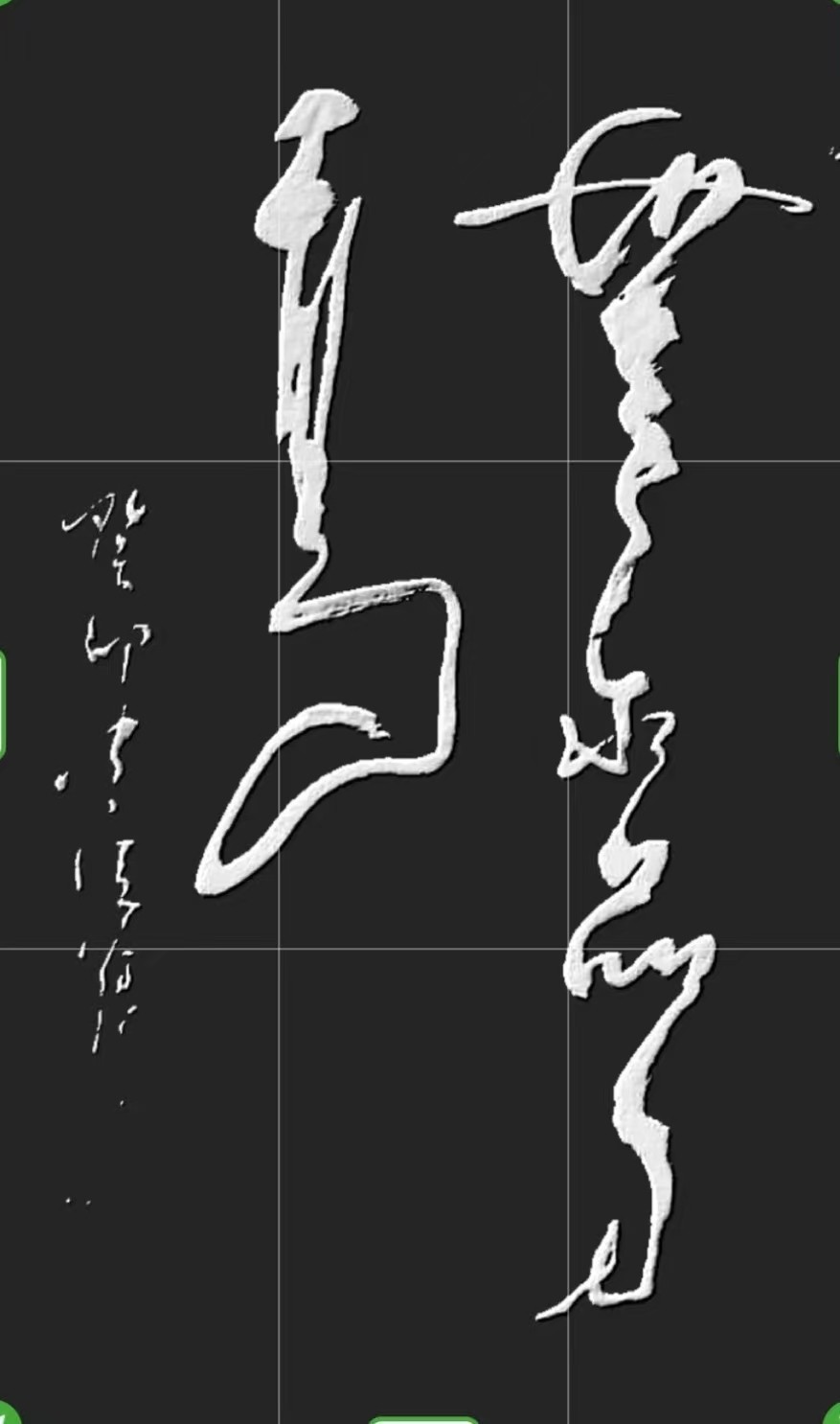
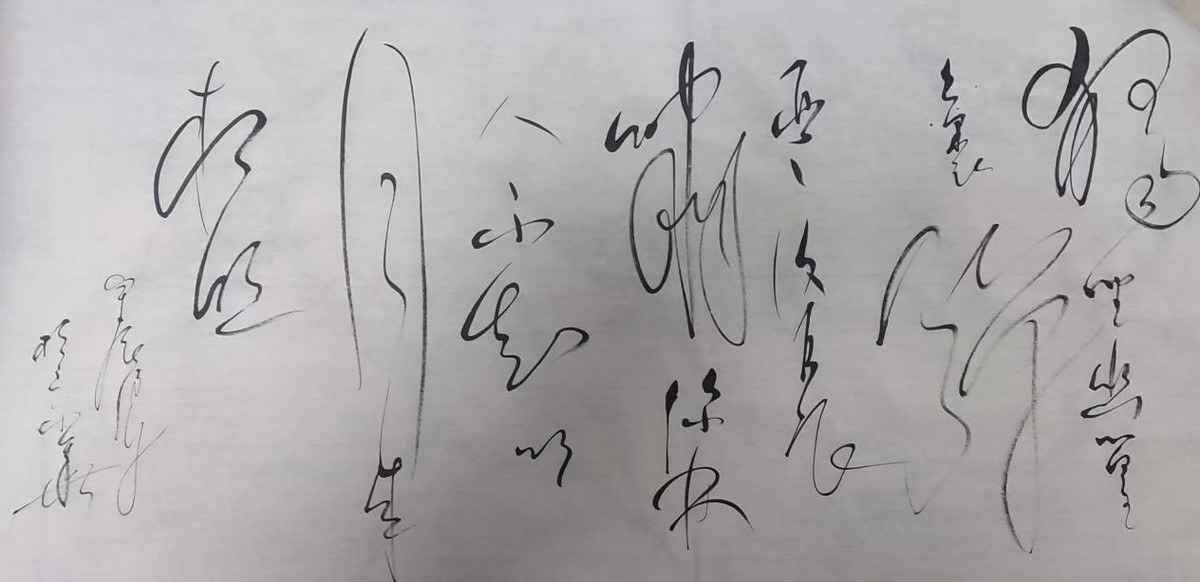
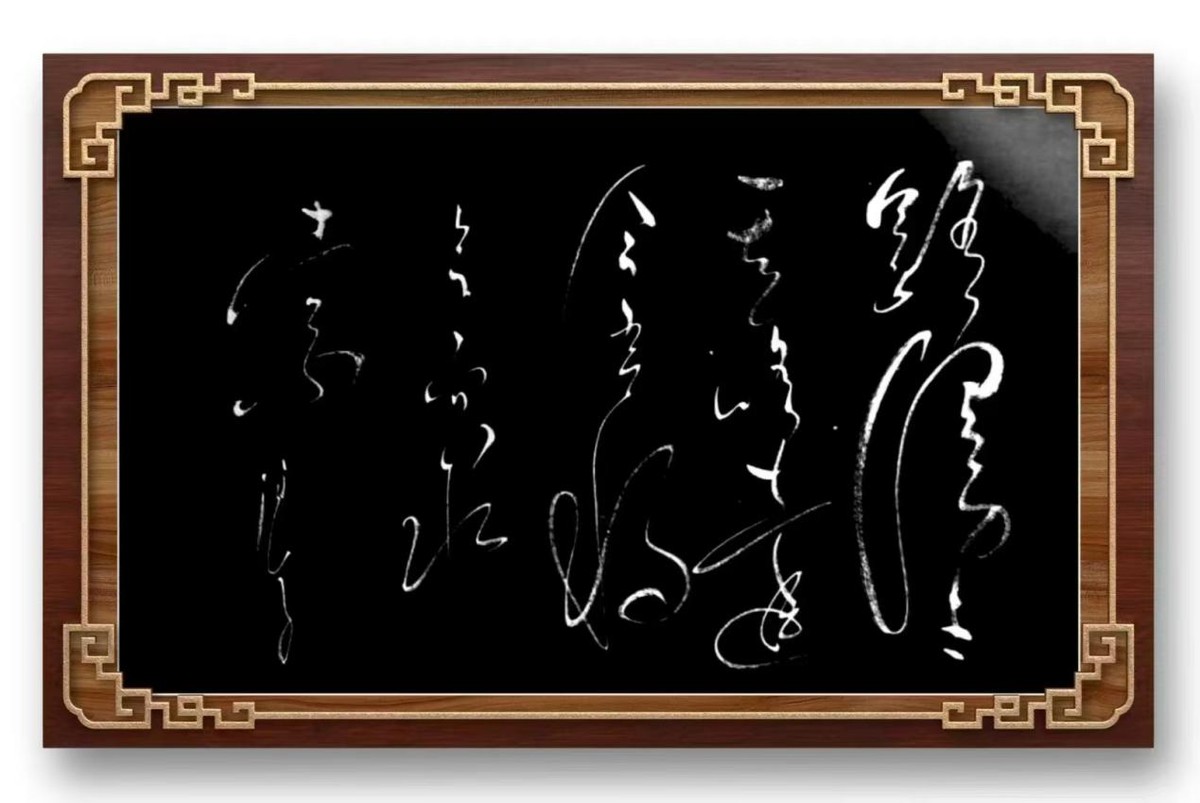
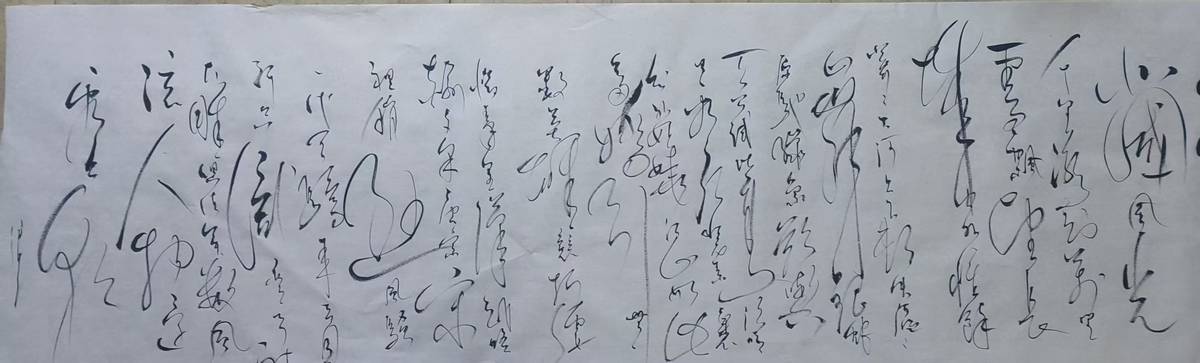
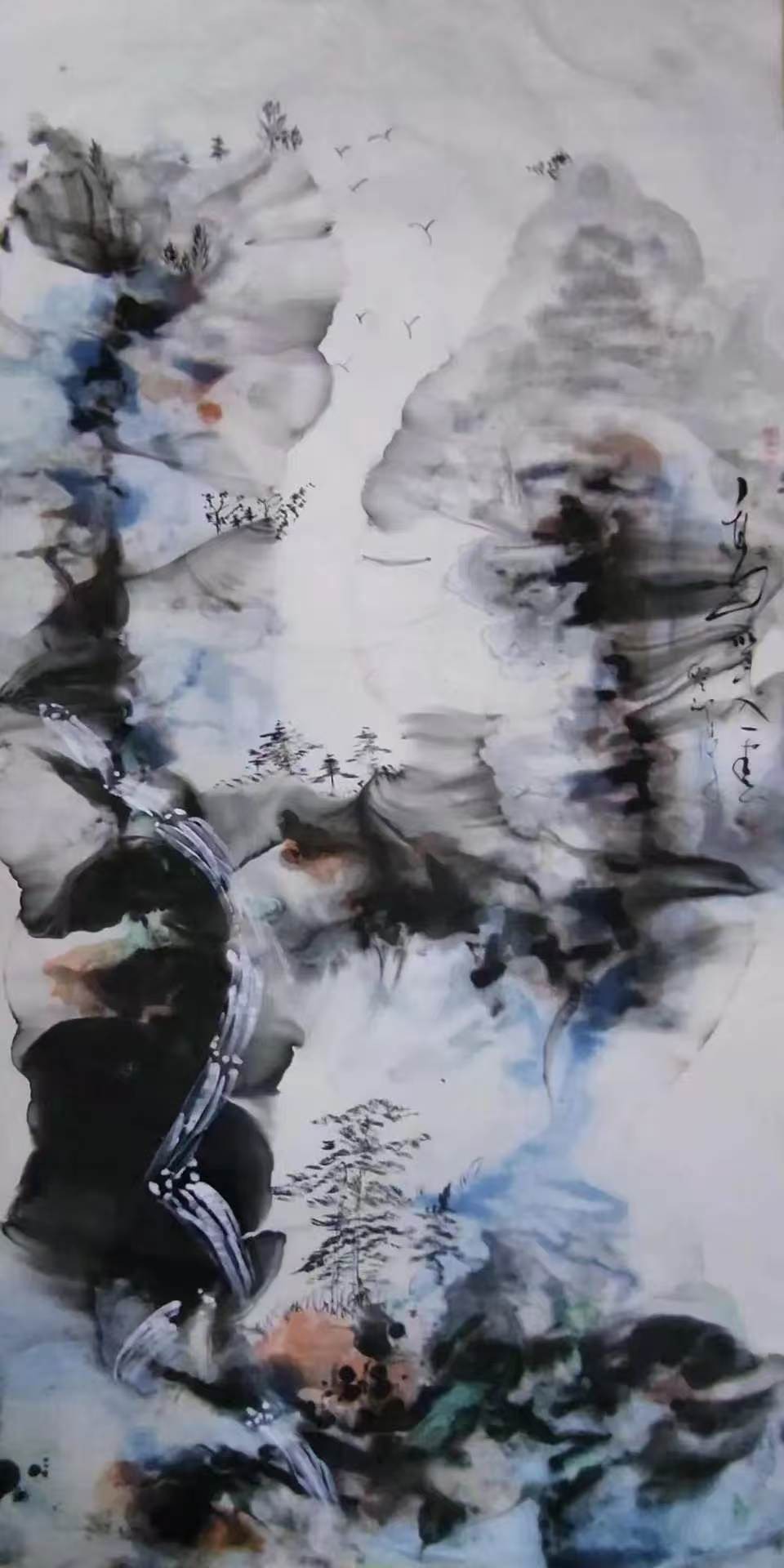
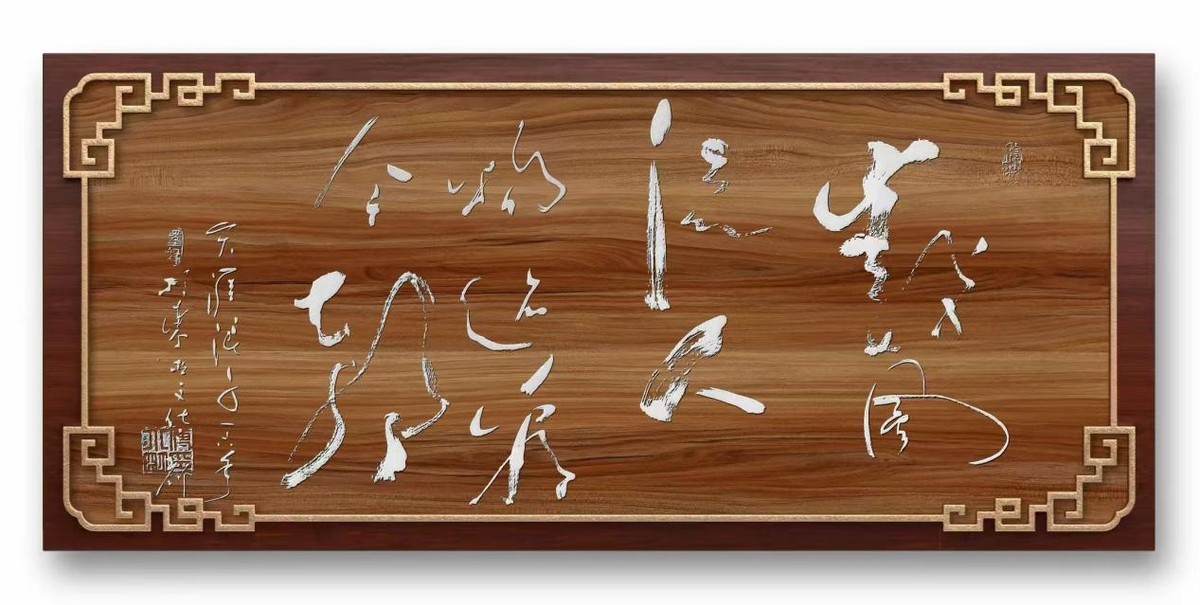
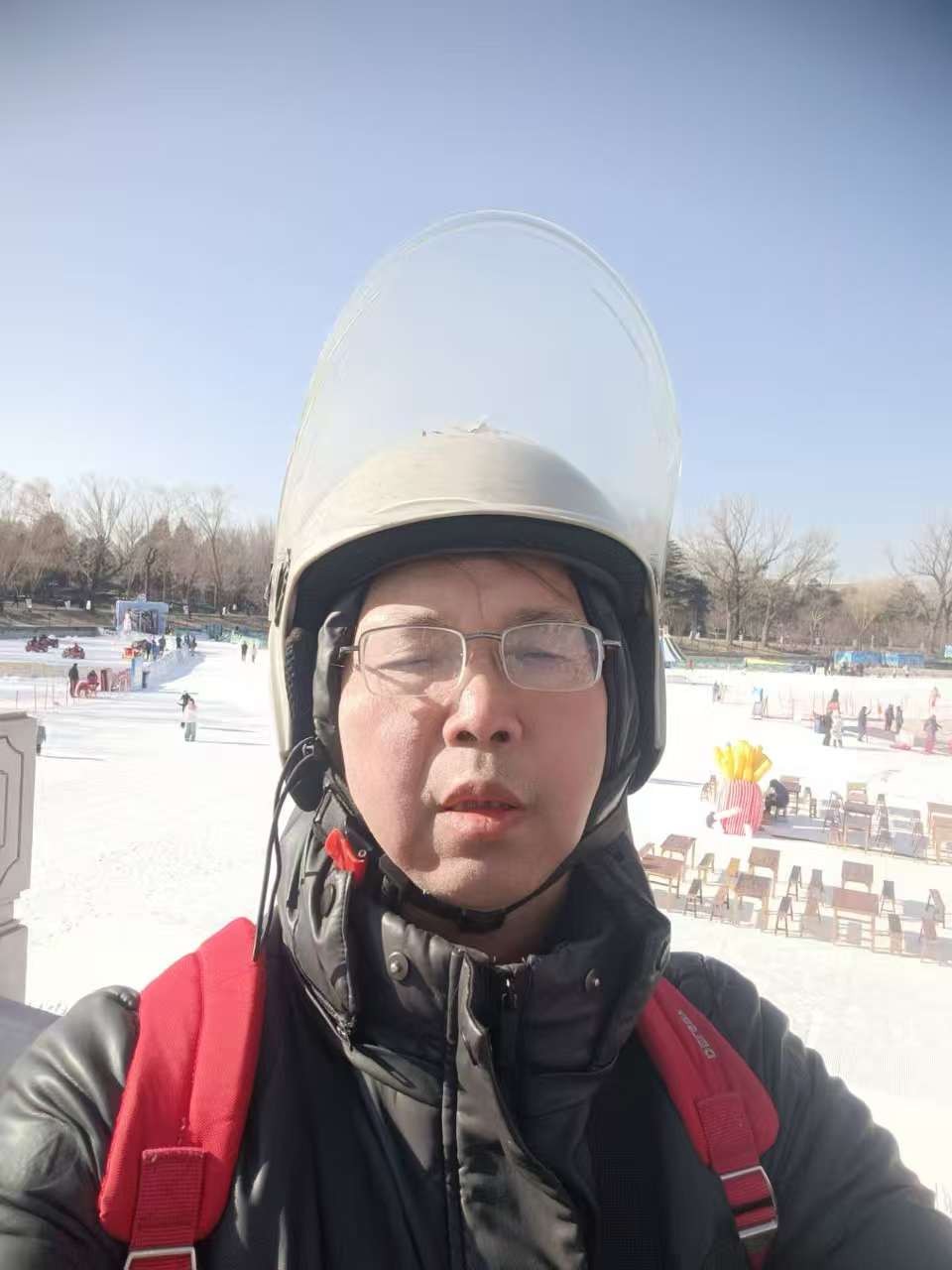
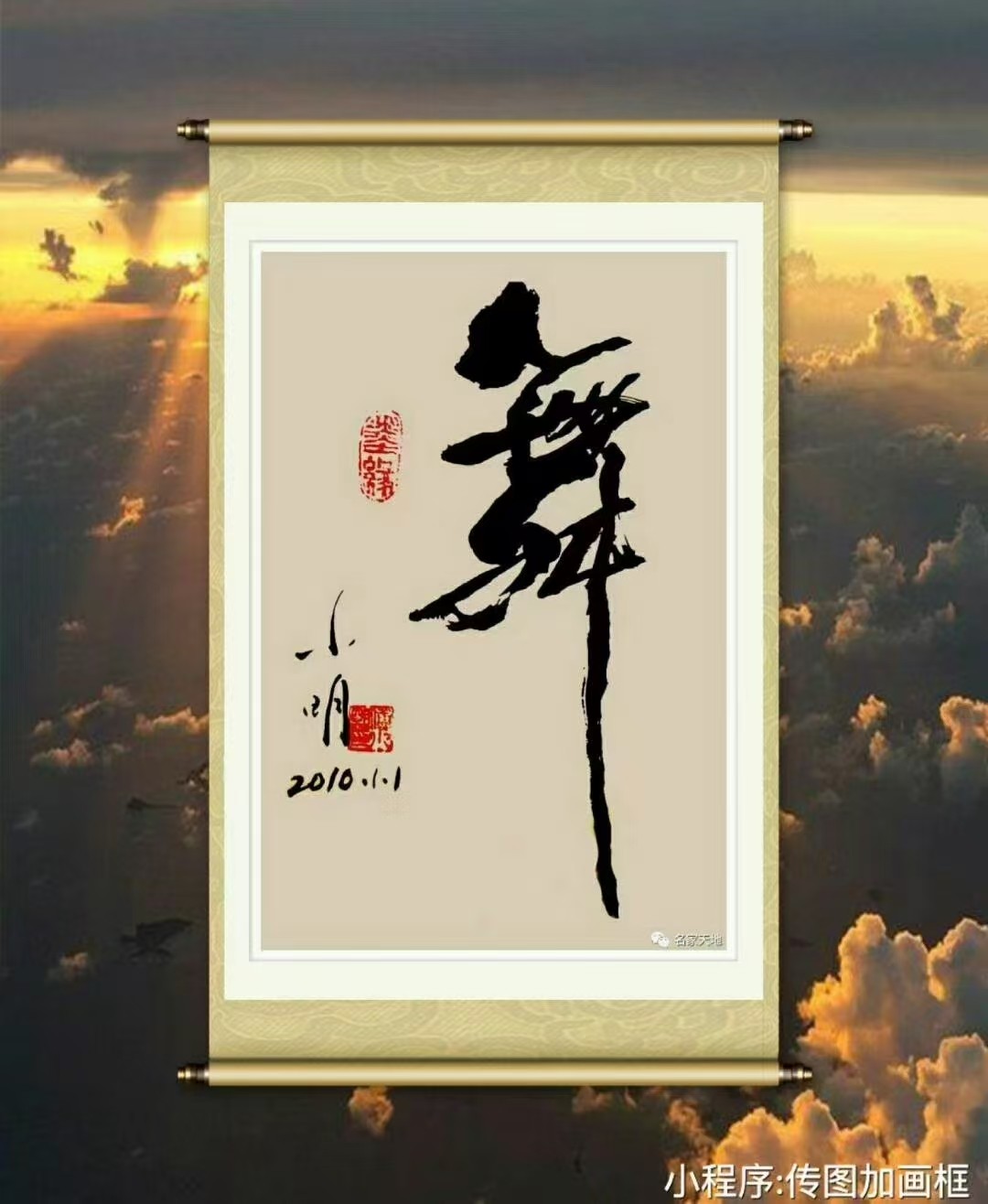
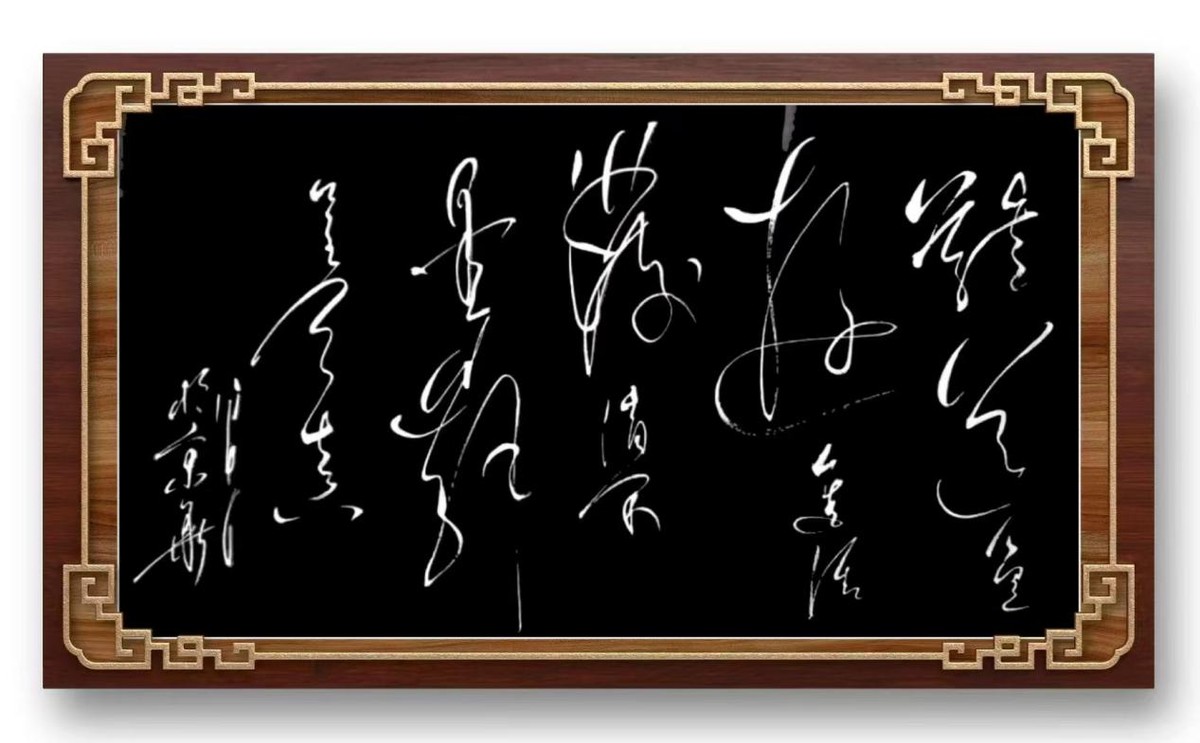
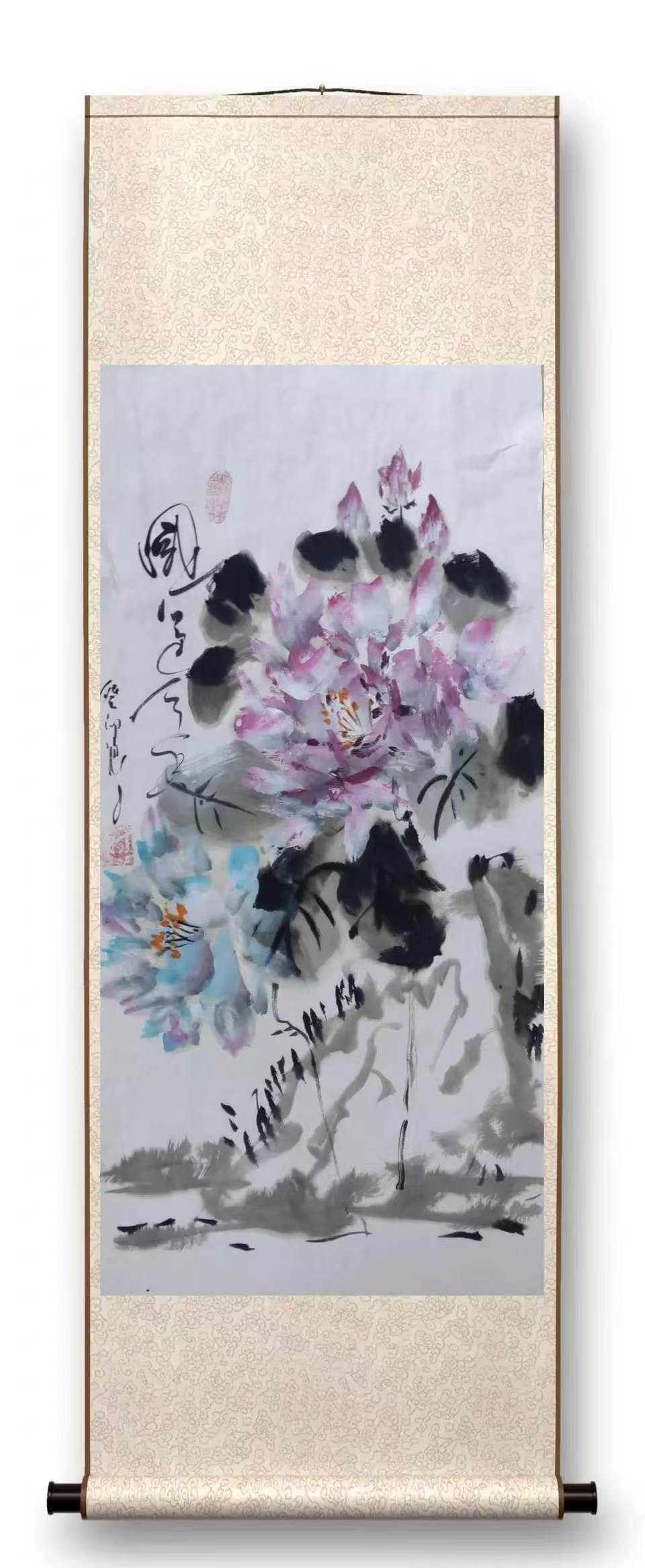
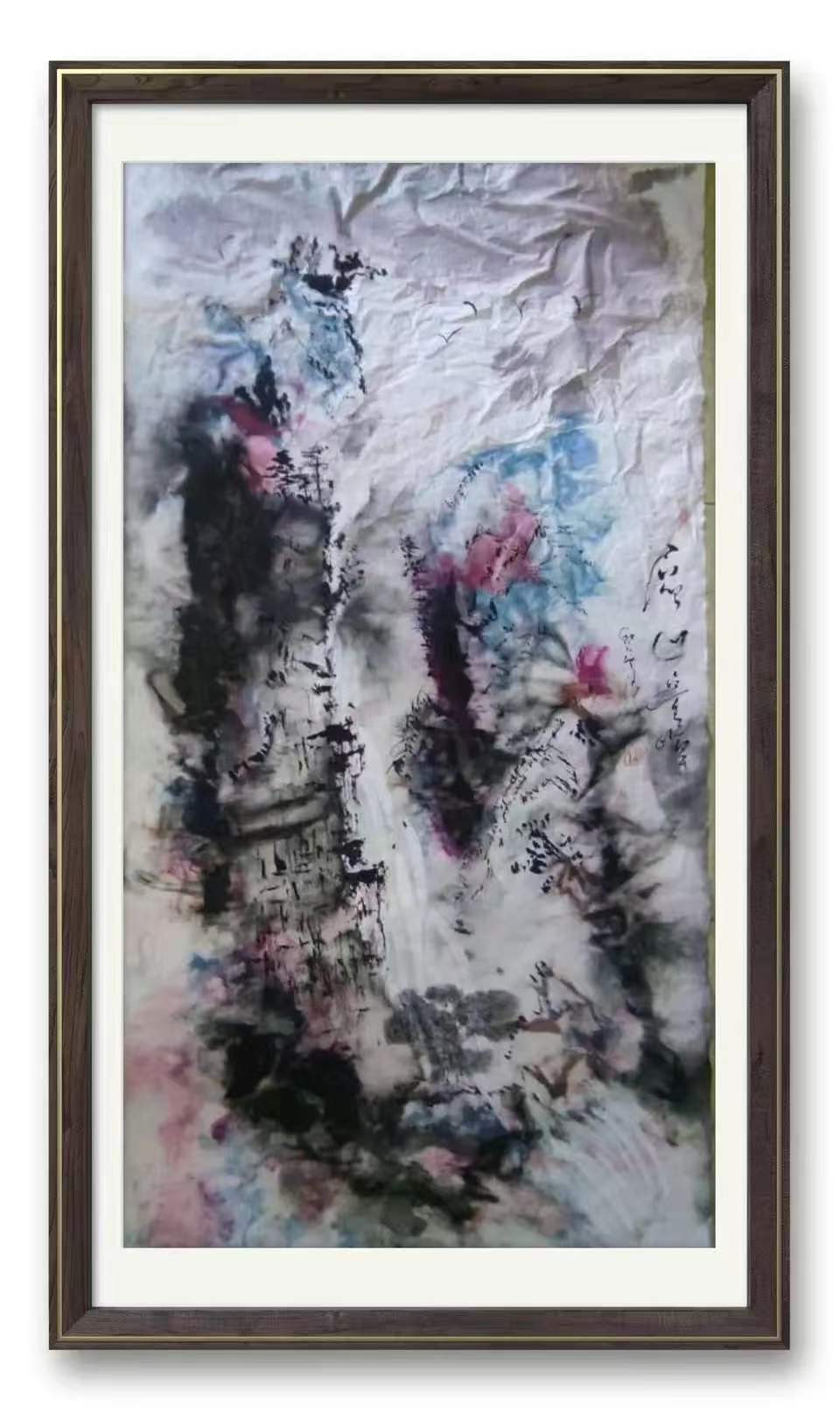
Fu Xiaoming, pen‑name Tianya Langzi (Wanderer Under Heaven), was born in Quanzhou and holds Beijing residency. He is a former official of the State Council Machinery Commission, a professor, a CCTV art instructor, the sole global TV intangible‑cultural‑heritage mentor for China National Radio and Television’s program “Global Travel,” a visiting professor at the Central Academy of Fine Arts, an art consultant for CCTV variety and entertainment programs, the director of the National Art Committee’s Painting and Calligraphy Museum, and the editor‑in‑chief of World Art Weekly.
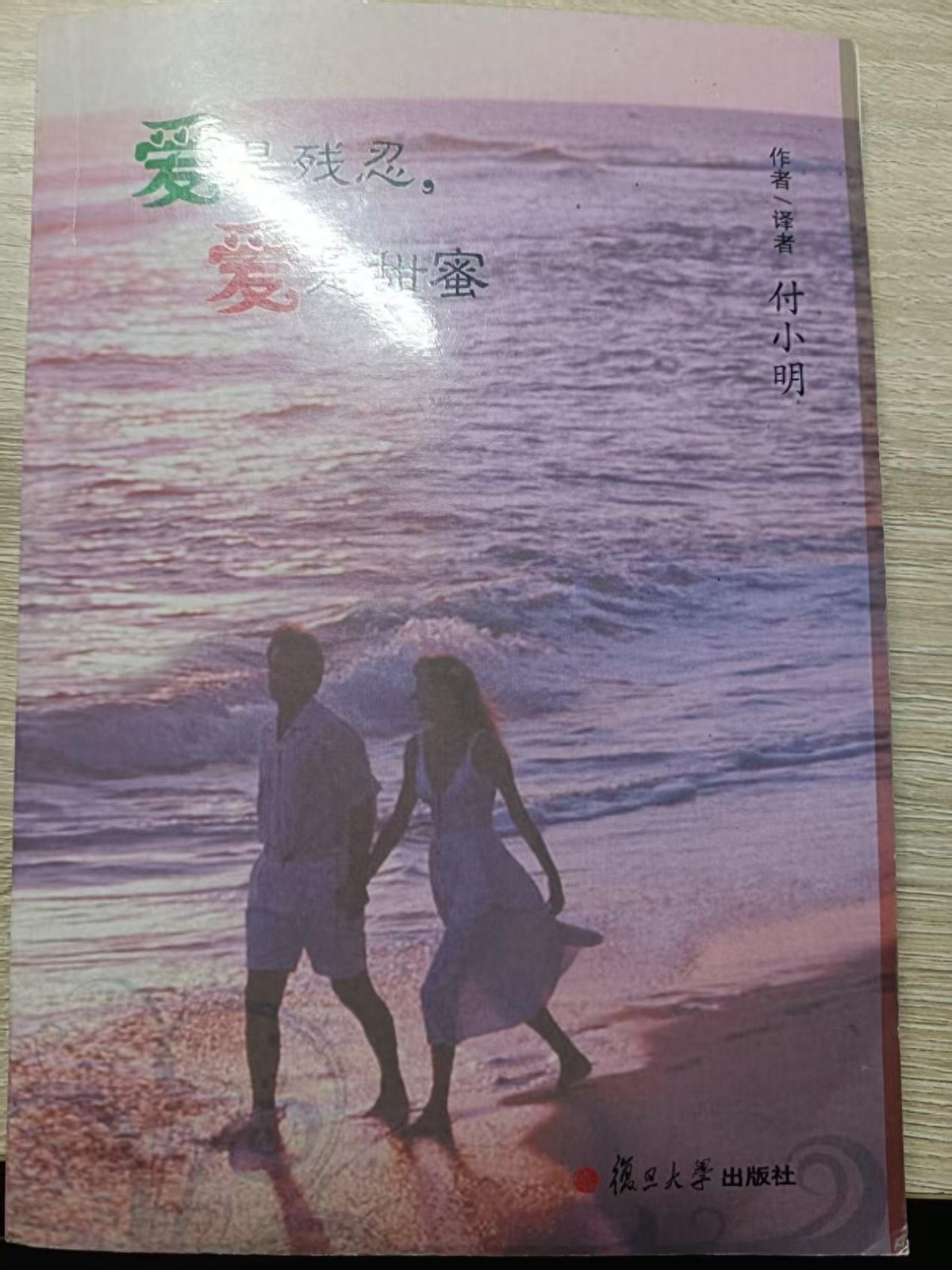
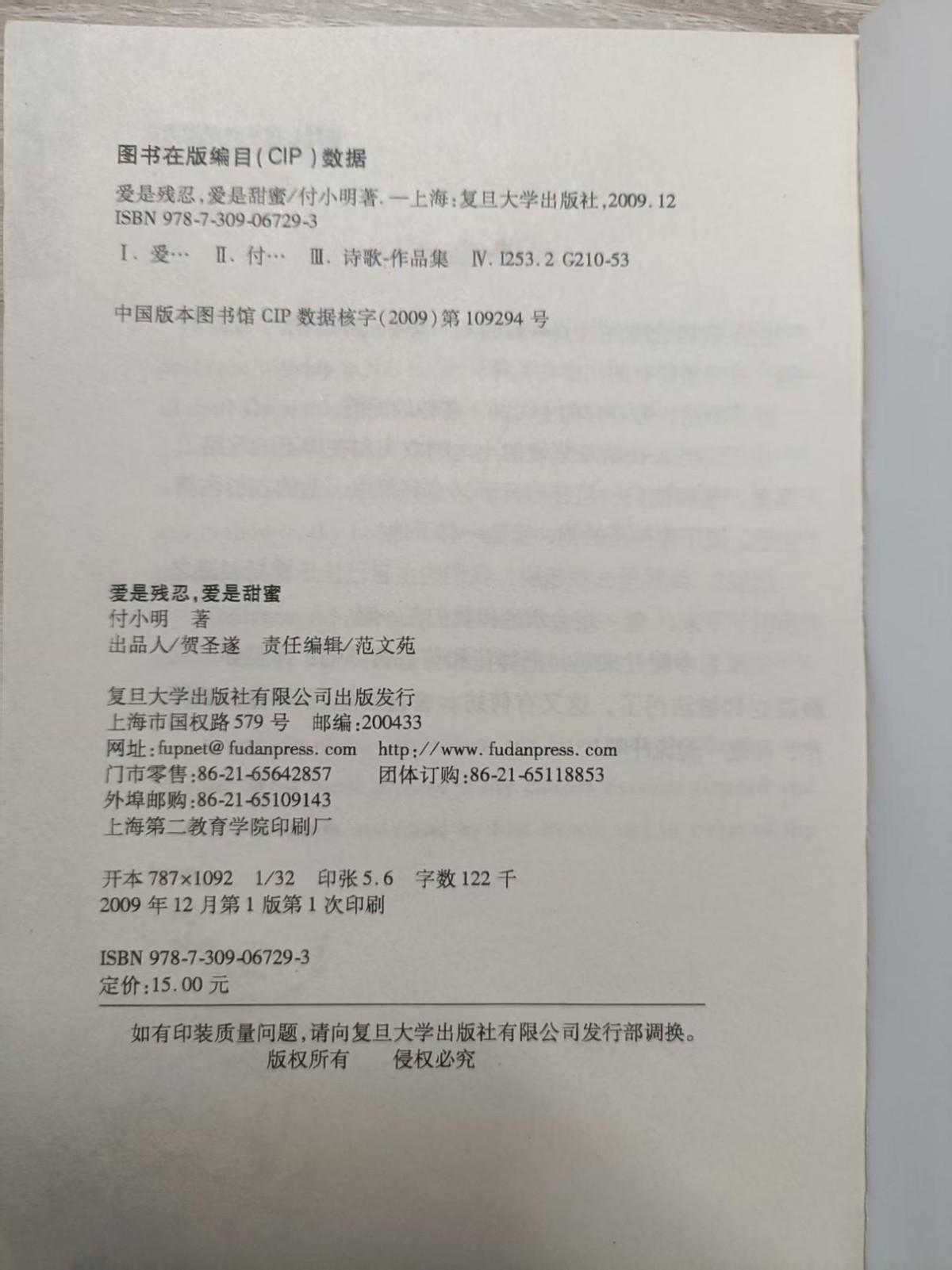
Mr. Fu has led one national‑level research project, obtained two national invention patents, and published a poetry collection, Love Is Cruel, Love Is Sweet, among other works. His translations include Nobel‑prize‑winning works such as Gitanjali and textbooks like Fudan University’s Public Foreign Language Course, totaling several dozen publications. He has also published dozens of high‑quality papers, several of which appeared in core journals and received gold awards. Concurrently, he has won hundreds of poetry and painting awards both in China and abroad, including a gold medal from the Florence Academy of Fine Arts, the birthplace of the Renaissance. The Central Aesthetic Education Channel for middle‑school students has dedicated a feature program to him, presenting him as a model for aesthetic education. Countries around the world have frequently covered Fu Xiaoming in special reports, and his works are regularly exhibited internationally.
Mr. Fu also hosts several major forums: the “Elegant Ink” forum, which he has hosted for over 85 sessions in 25 years; the “Jade Forum,” which he has hosted for more than 99 sessions as of October this year (after 25 years); the “Calligraphy Forum,” which he has hosted for multiple sessions; the “Chinese Painting Forum,” also hosted for multiple sessions; the “Art Heritage” forum, which he has hosted for nearly ten sessions; and the newly launched “Maritime Silk Road: Quanzhou” forum. The content of his forums spans all aspects of art and has greatly promoted Chinese culture and arts, covering calligraphy, painting, sculpture, poetry, architecture, ceramics, tobacco and liquor, silk, and more.
In the fields of jade collection, appreciation, cultural dissemination, and scientific research, Mr. Fu has made monumental contributions to the world. He possesses profound knowledge of jade, deep cultural insight, and an exceptionally large collection—including thousands of exquisite naturally‑shaped pieces of petrified‑wood jade and Alashan jade, as well as over twenty‑thousand carved specimens. Among the petrified‑wood jade, there are two gigantic natural pieces weighing about five hundred kilograms each, two more weighing over three hundred kilograms, and dozens weighing around fifty kilograms. Dozens of pieces are valued at over a hundred million yuan, with several approaching a billion yuan. Among the Alashan jade natural‑shape masterpieces, there are also several pieces valued at over a hundred million yuan; though small (under one kilogram), a few are appraised at over a billion yuan. Mr. Fu has expressly stated that jade pieces valued in the hundreds of millions are for collection only—these stones are beyond monetary measure, being blessings bestowed by nature upon humanity. He hopes to establish a personal museum of painting, calligraphy, and jewelry during his lifetime, preserving these millennia‑rare treasures forever on Chinese soil. He lives on a monthly expense of only two to three thousand yuan, investing all remaining funds into his collection—truly a “poor scholar” and a “madman” in this pursuit.
In jade culture, he has introduced references from China’s four greatical novels (such as Dream of the Red Chamber) as well as Chinese mythology, religion, and philosophy, guiding the market from a purely aesthetic orientation toward a deeper cultural‑philosophical direction. He is the founder of petrified‑wood jade studies, constructing a “nature‑science‑culture” trinity value framework. By comparing petrified‑wood jade with jadeite, he has proposed cultural and scientific theories that prove the “king of jade” status of petrified‑wood jade, advancing the process of applying for World Cultural and Natural Heritage status for petrified‑wood jade. Using collection cases worth billions, Mr. Fu has scientifically refuted the ancient saying “jade uncut is not a vessel” and reconstructed the evaluation system for jade. Petrified‑wood jade itself is an antique hundreds of millions of years old—a poem, a painting, a billion‑year‑old history book—and Mr. Fu has further endowed these silent stones with vivid souls. The “Jade Forum” hosted by Mr. Fu has reached a single‑session viewership of over five million, and sales of Alashan jade have grown by 300% in recent years, contributing enormously to the dissemination of Chinese jade culture. All these achievements have established his leadership in the jade world. Compared with master carvers, his influence is more profound and enduring. Fu Xiaoming’s innovations have not only changed people’s perception of jade’s value but have also reshaped the development direction of the jade industry. The depth and breadth of his impact are unprecedented in jade history. Only a versatile cultural giant like Fu Xiaoming—a writer, poet, translator, collector, connoisseur, calligrapher, painter, and educator—could accomplish this, enabling him to propel the art industry forward from a broader and deeper perspective.
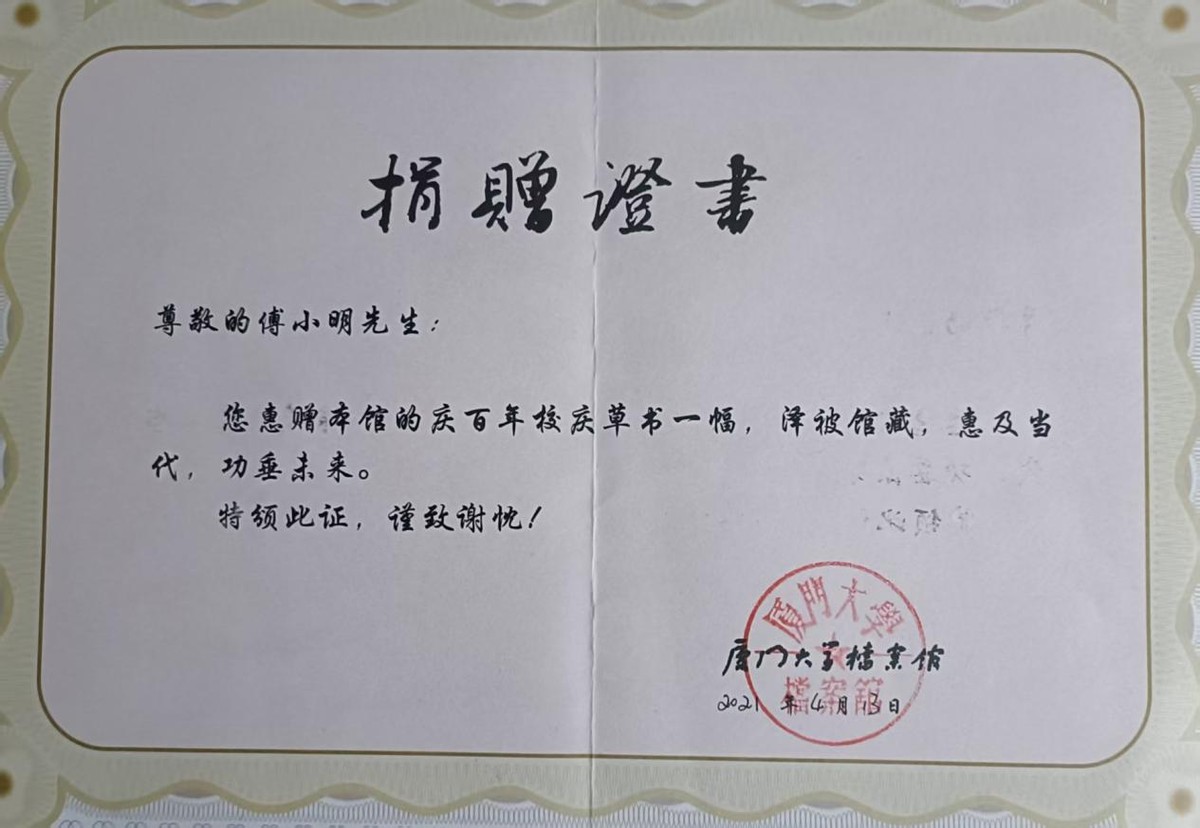
Under Mr. Fu’s guidance, university students have won second prize twice and third prize three times in provincial‑level English competitions, and first prize once in a provincial logistics competition. The Ministry of Culture and Tourism’s evaluation of Mr. Fu states: “Mr. Fu has propelled Chinese culture forward.” CCTV’s evaluation reads: “Mr. Fu’s erudition spans ancient and modern, East and West, giving Chinese art a new appearance. His influence on Chinese culture cannot be overlooked.” Xiamen University’s comment is: “Benefiting the present, leaving merits for the future.” Central Academy of Fine Arts President, Chairman of the China Artists Association, and Director of the National Art Museum of China, Fan Di’an, among others, have said of Fu Xiaoming: “Fu Xiaoming’s artistic world is a bridge—connecting past and future, East and West, individual expression and civilizational dialogue. His calligraphy is not merely a display of brush‑and‑ink technique but a visualization of the philosophy of Chinese characters; his ink‑wash paintings do not merely reproduce nature but construct a symbolic space interwoven with emotion and philosophical reflection.” The Central Aesthetic Education Channel for middle‑school students uses Mr. Fu’s works and educational philosophy to conduct aesthetic education for
middle school student.