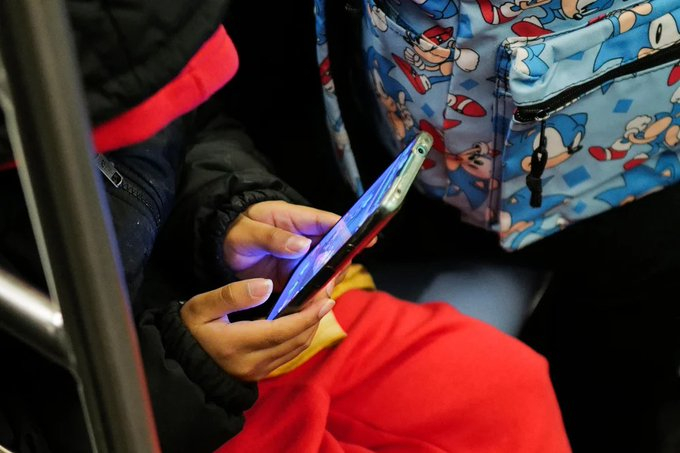
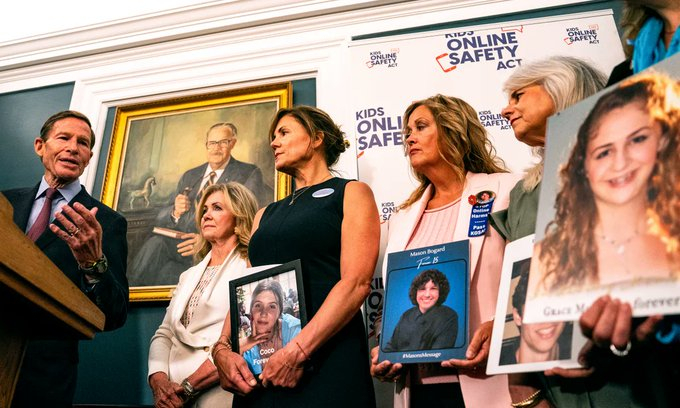
🇺🇸 国会刚刚通过了一项法案,可能迫使你在使用互联网时上传身份证或扫描面部。
这项法案名为 KIDS Act,几乎没有人愿意投票反对保护儿童在线安全。
这正是问题所在。
上周众议院以 267 比 117 通过了该法案。它将 14 项数字安全法案捆绑在一起,以修订版的《儿童在线安全法案》为核心。
该法案声称不要求年龄验证。它甚至包含了一条免责声明,明确说明这一点。
但是,真正的问题就在一条条款之外。平台如果“知道或应当知道”用户是未成年人,就会承担责任。
这是一个很低的门槛。这意味着监管机构事后决定一家公司是否本该发现某人是 15 岁。没有平台愿意在这上面冒险,所以最安全的做法就是验证每个人。
在这里,“保护儿童”悄然翻转。要证明你不是未成年人,你就必须证明你是成年人。驾驶执照、护照,或是登录时进行面部扫描。
这个网没有捕获儿童。它捕获了我们所有人。
然后还有安全问题。强迫数百万人在各处上传身份证,最终会有人坐在一堆巨量的护照扫描件和面部数据上。
Tea 应用就展示了事情会如何发展。它要求用户上传自拍和政府身份证,承诺立即删除,但并没有做到。2025 年 7 月,大约 13,000 份身份证和自拍泄露到 4chan 上,其中一些仍携带 GPS 数据,让人能够绘制出用户居住地的地图。
KIDS Act 将强制整个互联网进行这种数据收集。
儿童确实会在网上遭遇真正的伤害,想要修复这一点是合理的。但这种修复建立了一个触及每个成年人的监控系统。众议员 Thomas Massie 称其为特洛伊木马法案。
它现在将提交参议院。真正的问题很简单。在线保护儿童是否值得我们建立一个每个人登录时都必须证明身份的互联网?
来源:EFF、ACLU、R Street Institute、NBC News、The Hill / 作者:Julie
🇺🇸 Congress just passed a bill that could force you to upload your ID or scan your face to use the internet.
It is called the KIDS Act, and almost nobody wants to vote against protecting children online.
That is exactly the problem.
Last week the House passed it 267 to 117. It bundles 14 digital safety bills together, anchored by a revised version of the Kids Online Safety Act.
The bill says it does not require age verification. It even includes a disclaimer saying so.
The catch is one clause away. Platforms get held liable if they "knew or should have known" a user was a minor.
That is a low bar. It means a regulator decides after the fact whether a company should have figured out someone was 15. No platform wants to gamble on that, so the safe move is to just verify everyone.
Here is where "protect the kids" quietly flips. To prove you are not a minor, you have to prove you are an adult. Driver's licenses, passports, or a facial scan to log on.
The net does not catch children. It catches all of us.
Then there is the security problem. Force millions of people to upload IDs everywhere, and somebody ends up sitting on a giant pile of passport scans and face data.
The Tea app showed how it goes. It required a selfie and a government ID, promised to delete them right after, and did not. In July 2025, about 13,000 of those IDs and selfies leaked onto 4chan, some still carrying GPS data that let someone map where users lived.
The KIDS Act would mandate that exact collection across the whole internet.
Kids do run into real harm online, and wanting to fix that is fair. But this fix builds a surveillance system that touches every adult. Rep. Thomas Massie called it a Trojan horse bill.
It now heads to the Senate. The real question is simple. Is protecting kids online worth building an internet where everyone has to prove who they are just to log on?
Source: EFF, ACLU, R Street Institute, NBC News, The Hill / Writer: Julie