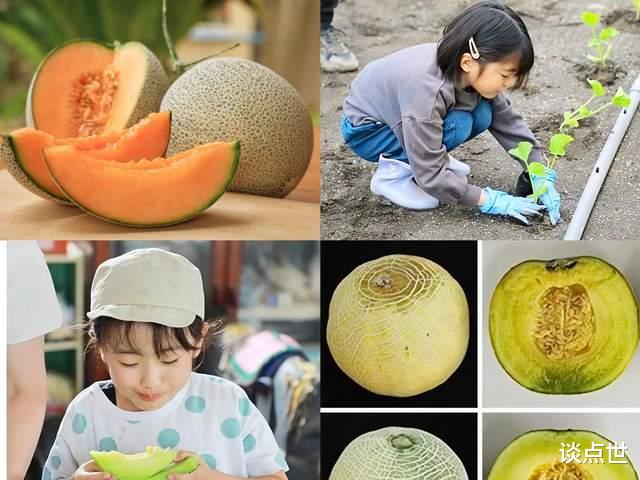
据日本《共同社》报道,日本国立农业与食品研究机构与筑波大学共同研发出一种可按需催熟(ripened on demand)的厚皮甜瓜,旨在克服该甜瓜相对较短的保质期,推动其出口。
研究团队使该甜瓜体内合成乙烯的关键基因失活——乙烯是一种促进果实成熟的植物激素,从而成功让甜瓜在常温下保持硬实、果皮青绿的状态长达两个月(and succeeded in keeping the melon firm and green for up to two months)。
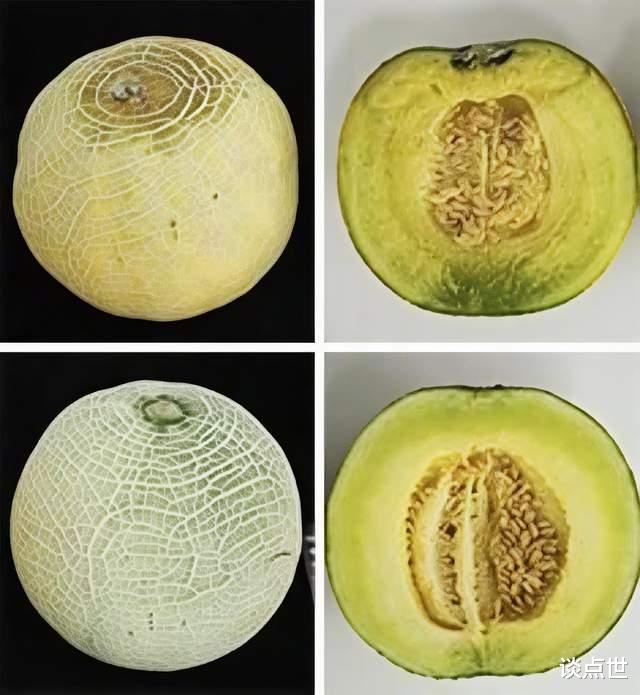
日本国立农业与食品研究机构与筑波大学表示,他们希望向日本政府申请该品种的注册登记,并在三年内实现商业化(the university said they hope to register the variety with the government and commercialize it within three years)。
厚皮甜瓜的上市季通常从春季持续到仲夏。采收后因乙烯释放导致成熟速度快,使得这种水果不耐久存,在海运出口时极易变质(means the fruit does not keep well for long and spoils during ocean transport when shipped overseas)。

这项新技术可让生产商在抑制成熟状态下运输甜瓜,临近消费端时再通过乙烯处理触发成熟,该技术已在香蕉种植中广泛应用( a technique already in use for bananas)。
日本甜瓜在海外需求旺盛。日本农林水产省数据显示,2025年初步统计出口量达1089吨,是2015年309吨的三倍多(Exports totaled 1,089 tons in 2025 on a preliminary basis, more than triple the 309 tons shipped in 2015)。
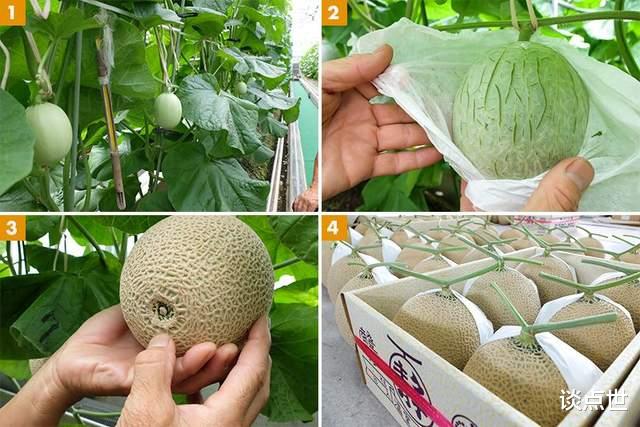
报道称,中国香港、新加坡是日本甜瓜的主要出口地,美国和澳大利亚也已开始进口(Hong Kong and Singapore are among the major destinations for Japanese melons, and the United States and Australia have also begun importing them)。
更长的保质期还能简化库存管理、减少食物浪费。研究团队称,这一最新成果是扩大内需、促进出口的重要一步(The team called the latest development "a major step" toward expanding domestic demand and promoting exports)。